Communication within the team is the foundation for every successful construction project. Communication problems in project management often lead to delays, budget overruns, and many other difficulties, highlighting the importance of effective communication strategies in every project phase. In the dynamically evolving construction industry, improving team communication is more important than ever. In this article, you will find practical strategies to help enhance communication within the team on the construction site and in the office, ultimately improving project outcomes and minimizing the risk of issues.
Recognizing the communication problem in the team
Effective team communication is crucial in construction projects that require collaboration among many stakeholders such as project managers, architects, engineers, subcontractors, and sometimes clients. Each of these stakeholders brings a unique perspective and expertise, which can easily lead to misunderstandings without proper communication management. Industry reports show that ineffective team communication is one of the main causes of delays and budget overruns in construction projects.
Team communication is essential for the success of construction projects. A lack of coordination among stakeholders leads to the loss of important information, misunderstandings, and unclear goals, negatively affecting the efficiency and success of the project. Therefore, every project manager should prioritize team communication and implement strategies to improve the flow of information to ensure smooth task completion and avoid delays.
8 practical tips for better team communication
-
Utilizing technology to enhance team communication
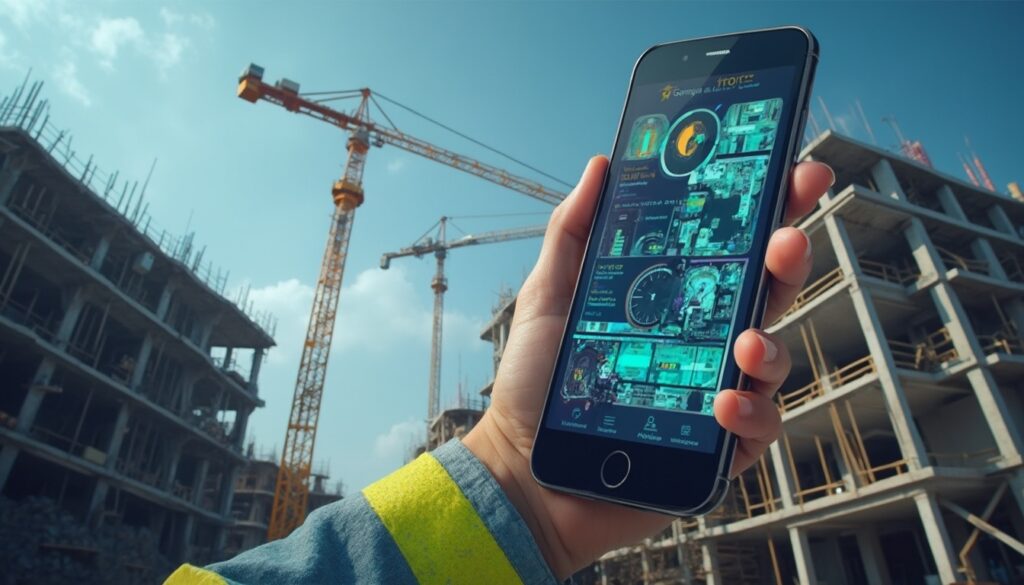
Nowadays, technology can significantly improve team communication. Project management software like Valoon enables the centralization of communication, real-time tracking of changes, and archiving of documents in an easily accessible location. With such tools, teams can ensure a smooth flow of information, reduce the risk of misunderstandings, and increase overall efficiency. -
Establishing clear channels for team communication
Defining specific channels for different types of team communication is crucial for the smooth functioning of the team. Formal platforms can be used for ongoing project updates, while informal channels can foster relationship building. This approach helps reduce information overload and ensures that everyone knows where to find the right information. -
Regular meetings with a clear agenda
Regular meetings are essential for effective team communication. However, it is important that each meeting has a clearly defined plan to avoid wasting time. This ensures that all important topics are discussed and that every team member has the opportunity to share their input. Meetings should also promote trust-building and open dialogue, strengthening team cohesion. -
Fostering a culture of open communication within the team
Creating an environment where team members feel comfortable sharing their thoughts, concerns, and opinions is crucial for effective team communication. Openness fosters trust and supports a cooperative atmosphere, which is the foundation for any successful construction project. -
Documentation and feedback loops
Careful documentation of project communication is essential as a reference point and for accountability. Establishing feedback mechanisms, such as reviewing decisions, allows for higher-level team communication. Each team member is then better informed and more engaged in the project progress. -
Investing in training for better team communication
Training that develops communication skills such as active listening, conflict resolution, or effective presentation has a significant impact on team communication. Such investments prepare team members for better internal and external collaboration, which is especially important in highly complex projects. -
Visualizations as a key element of team communication
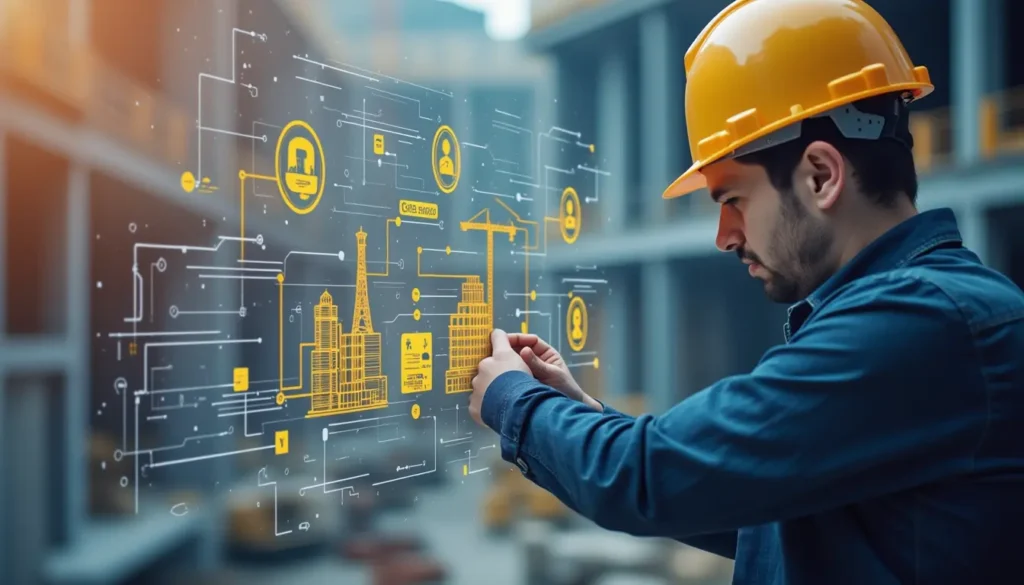
Visualizations such as charts, graphs, and timelines significantly enhance the understanding of information in construction projects. Thanks to them, team members can better comprehend the requirements and changes in the project, making team communication more transparent and effective. -
Evaluating and adjusting team communication strategies
Finally, you should continuously assess your approach to team communication. Gather feedback from the team on what works and what doesn’t. Through regular evaluations, you can adjust your strategies to meet the changing needs of the project and the team.
Summary: Team communication as the key to the success of construction projects
Team communication plays a crucial role in the successful execution of construction projects, and its improvement is a continuous process that requires attention and commitment in every project phase. Building effective communication begins with clearly defined goals, a transparent flow of information, and encouraging collaboration among team members. By applying the above strategies, you can create a work environment that not only fosters collaboration but also accelerates project execution, reduces the risk of discrepancies, and increases employee satisfaction and engagement. Team communication is not just a tool for achieving goals – it is the foundation upon which the success of every project rests. Remember that the effectiveness of your team and the outcome of the venture are directly related to the quality of communication, which is why it is worth regularly investing time and resources in its improvement.
If you want to achieve even better results, consider implementing Valoon’s comprehensive solutions. Our intuitive project management, communication, control, and documentation software helps you optimize processes both on the construction site and in the office. Valoon is here to improve team communication and elevate your construction projects to a higher level. Discover how our solutions can transform the dynamics of your team and ensure the excellent execution of every project! Book a demo with Valoon now and see for yourself the benefits of digital transformation in your construction project.