Effective communication is the backbone of every successful construction project. Communication breakdowns in project management often lead to delays, cost overruns, and a host of other issues. This underscores the critical need for effective communication strategies at all project phases. In the ever-evolving construction industry, improving team communication is more important than ever. This article aims to provide you with practical strategies to enhance communication in your construction teams, ultimately improving project outcomes.
Understanding the Problem
Effective team communication is crucial for construction projects, as they are collaborative efforts involving multiple stakeholders such as project managers, architects, engineers, subcontractors, and sometimes even clients. Each participant brings their own perspective and expertise, and poor communication can easily lead to misunderstandings if not properly managed. Industry reports indicate that ineffective team communication is one of the main causes of project delays and budget overruns.
When stakeholders are not aligned, important information can be lost, misunderstandings can occur, and project goals can become unclear. These challenges significantly impair efficiency and can jeopardize the overall success of the project. For any project manager looking to enhance their team’s performance, directly addressing communication issues is essential to ensure smooth project execution and avoid costly delays.
Practical Solutions or Insights
1. Leverage Technology for Communication
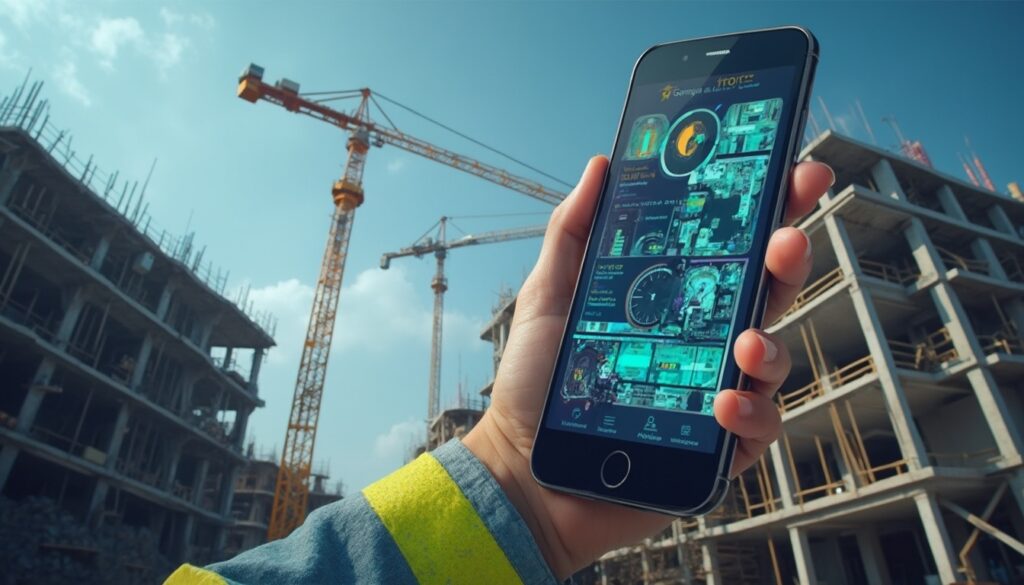
In today’s digital age, utilizing the right technology can significantly enhance communication. Project management software like Valoon enables teams to centralize communication, track changes in real-time, and archive documentation for easy access. By using tools that facilitate instant messaging, video calls, and file sharing, teams can ensure a seamless flow of information and reduce the risk of misunderstandings.
2. Establish Clear Communication Channels
Define specific channels for different types of team communication. For example, use formal platforms for project updates and informal channels for team bonding. This clarity helps team members know where to find certain information, thereby reducing disruptions and confusion.
3. Conduct Regular Meetings with Clear Agendas
Regular meetings are crucial for keeping everyone on the same page. However, meetings should be structured with a clear agenda to avoid wasting time. This ensures that all necessary topics are covered and everyone has the opportunity to share their insights. Use these meetings not only for updates but also for team building and fostering open dialogue.
4. Foster a Culture of Open Communication
Create an environment where team members feel comfortable sharing their thoughts, concerns, and feedback. Encourage questions and discussions, as this can lead to innovative solutions and stronger team dynamics. Open team communication fosters trust and a collaborative atmosphere that is essential for project success.
5. Documentation and Feedback Loops
Proper documentation of all project communication is essential for reference purposes and accountability. Establish a feedback loop where team members can review and comment on decisions and changes. This not only ensures that everyone is informed but also promotes a sense of ownership and involvement in project progress.
6. Training and Development
Invest in training programs that enhance your team’s communication skills. Workshops on active listening, conflict resolution, and effective presentation can improve communication competence and better prepare your team for interactions with each other and external stakeholders.
7. Use Visualizations for Clarity
In construction, visualizations can significantly improve understanding. Utilizing diagrams, charts, and visual timelines can make complex information more comprehensible. Integrate these into your team communication strategy to illustrate key points and help all stakeholders grasp project requirements and changes.
8. Evaluate and Adjust
Finally, continuously assess your communication strategies. Gather feedback from your team on what is working and what is not. Adjust your approach as needed to ensure it meets the evolving dynamics of your project and team.
Conclusion or Key Takeaway
Improving team communication in construction projects is not a one-time effort but requires ongoing attention and commitment.
By implementing the above strategies, you can foster a collaborative environment that optimizes project execution and minimizes discrepancies. Remember, the success of your projects depends on the effectiveness of your team communication.
To further enhance your project outcomes, consider Valoon’s comprehensive solutions. With our intuitively designed software for project management and communication, control, and documentation, you are better equipped to boost process efficiency both on the construction site and in the office.
Software that works! Valoon is here to optimize your communication and take your construction projects to the next level. Discover today how our solutions can transform your team dynamics!